
You’ve probably heard that you should be “advertising online.” Maybe you’ve even tried boosting a post or running a Google ad, only to be left unsure if it did anything at all.
The truth is, digital advertising works incredibly well when it’s done right, but it wastes a lot of money when it’s not. The key is knowing which tools to use, when to use them, and how to tell if they’re working. This guide walks you through the whole landscape in plain English with a clear map of your options so you can spend your ad budget effectively..
What “Digital Advertising” Really Means
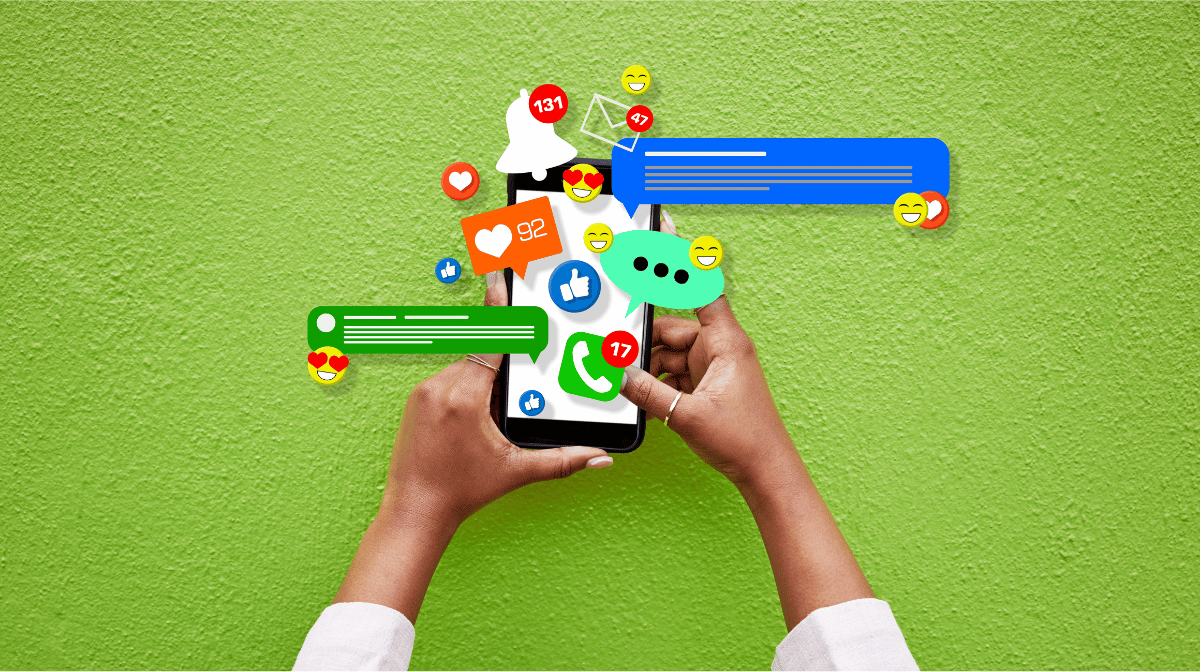
Let’s start simple. Digital advertising is any ad you pay to show online. That’s it. Instead of a billboard or a newspaper spot, you’re paying to appear in front of people while they search, scroll, and browse.
The big advantage over old-school advertising comes down to three things:
- You can target the right people. Show your ad only to folks in your area, your age range, or your type of customer.
- You can measure everything. You know exactly how many people saw your ad, clicked it, and called you.
- You can start small. No huge upfront cost. Spend a little, see what works, then do more of it.
The catch? There are many different types, and each one does a different job. Let’s break them down.
Google Ads: Catching People Who Are Already Looking
This is a big one. Google Ads put your business at the very top of search results when someone types in what you offer.
That’s extremely powerful. For example, when someone searches “emergency plumber near me,” they’re not just curious — they need a plumber right now. Google Ads put you in front of that person at the exact moment they’re ready to buy.
Why business owners love it:
- You reach people who are actively searching for what you sell.
- You only pay when someone clicks (this is called pay-per-click, or PPC).
- You show up fast, with ads appearing as soon as your campaign turns on.
- You control the budget and never have to worry about going over your limit.
Google Ads are perfect when you need the phone ringing this week, not three months from now.
Local Service Ads: The Top Spot for Local Businesses
If you run a local service business like plumbing, roofing, HVAC, or a law office, you should get acquainted with Local Service Ads. These ads sit at the very top of Google results, even above regular ads, with a green “Google Guaranteed” checkmark.
Here’s the part that business owners really like: you only pay when someone actually contacts you, not just a click. That green badge also builds instant trust, because Google is basically vouching for you. These ads are a great fit if you:
- Serve customers in a specific local area.
- Want leads, not just website visitors.
- Want the trust that comes with Google’s badge.
Social Media Advertising: Reaching People Before They Search
Not every customer is searching yet. Sometimes they don’t even know they need you. That’s where social media advertising comes in.
Platforms like Facebook and Instagram know a huge amount about their users — where they live, what they like, how old they are. That lets you put your ad in front of exactly the right people while they scroll through their feed.
Where search ads catch people looking for you, social ads create interest in people who weren’t looking yet. They’re especially strong when you:
- Have a great offer. A sale, a promo code, a giveaway, a limited-time deal.
- Sell something visual. Remodeling, dental work, med spas, restaurants, landscaping.
- Want to build your name. Stay in front of your community so they remember you later.
- Want cheap, targeted reach. Clicks on social can cost far less than you’d expect.
Different platforms reach different crowds. Facebook and Instagram are great for most local businesses, while LinkedIn is better for reaching other businesses and professionals. You don’t need all of them, just the ones where your customers actually hang out.
Retargeting: The Gentle Reminder That Wins Sales
Ever notice how a product you looked at seems to “follow you” around the internet? That’s retargeting, and it’s one of the smartest, most affordable tools out there.
Most people don’t buy the first time they visit your website. They get distracted, they comparison shop, and life gets in the way. Retargeting shows your ad to those people again after they leave. Think of it as a gentle nudge to come back and finish what they started.
- It targets people who already showed interest, so they’re more likely to convert.
- It’s usually cheaper than reaching brand-new audiences.
- It keeps you top of mind during the time someone is deciding.
With a small budget, this approach can quietly pay for itself on a lot of accounts.
The New Frontier: Advertising in an AI World
This one’s different from everything above. You’re not paying to place an ad; you’re earning your way into the answer. But it matters alongside your ads, because it’s where attention is moving.
More and more people aren’t just Googling; they’re asking AI tools like ChatGPT and Google’s AI Overviews for recommendations. They type “who’s the best roofer in my area?” and get a short list of answers, sometimes choosing a business without even visiting its website.
This changes the game. If AI tools don’t know your business exists, you’re invisible to a growing group of customers. Getting mentioned in those AI answers is a newer kind of visibility, and it comes from having a strong, consistent, trustworthy presence across the web.
This is exactly why we built our AI Visibility Optimization service. AGI wants to ensure that our clients show up where search is actually headed. The businesses that get ahead of trends early always have a real edge.
How to Tell If Your Ads Are Actually Working
This is where a lot of money gets wasted. People run ads but never check the one number that matters: are you making more than you’re spending? Forget vanity numbers like likes and views. Focus on the stuff that pays your bills:
- Leads: How many calls, forms, or messages did the ads bring in?
- Cost per lead: How much did you spend to get each one?
- Customers: How many of those leads actually became paying jobs?
- Return: Are you earning more from those customers than the ads cost?
If an ad brings in $5,000 in work for $500 in spend, keep going. If it brings in nothing after a fair test, change it or shut it off. Good advertising is about tracking, testing, and doubling down on what works.
Where Should You Start?
You don’t need to do everything at once. Here’s a simple way to think about it:
- Need customers fast? Google Ads or Local Service Ads are perfect if they make sense and are in budget.
- Local service business? Local Service Ads are hard to beat.
- Have a strong promotion or a visual product? Try social media ads.
- Getting website traffic but few sales? Add retargeting.
- Thinking long-term? Start building your AI and search visibility now.
The smartest approach usually combines a few of these — search ads for people ready to buy, social ads to build interest, and retargeting to close the gap. They work better together than any one does alone.
The Bottom Line
Digital advertising isn’t magic, and it isn’t a money pit. It’s a set of tools that each do a specific job. Used the right way, they turn ad dollars into real, trackable customers. Don’t worry, you don’t have to figure it all out alone. That’s what we’re here for.
You can see what real results look like in our client growth studies, or just give us a call at 1-888-269-5449 to talk it through with a real person.